


Introduction
Women’s seamless underwear should solve three everyday problems: waistband digging, red marks, and constant adjusting. If you are an active women type of shopper, a frequent traveler, or an office commuter, those issues get worse because heat, sweat, and long sitting add friction.
This how-to guide uses a fit-first approach for seamless underwear buyers and everyday comfort seekers. You will learn how to check fabric feel, construction, rise, sizing, and movement so your underwear stays invisible under outfits and feels like a second skin.

Official Site: Nuage
Women’s seamless underwear step-by-step guide
Step 1: Start with fabric feel
Before you think about style, choose a fabric that stays soft when you sweat and when you wash it. A fabric can feel smooth in your hand but still trap heat or feel sticky after an hour of wear.
Use this quick test in the fitting room (or at home):
- Pinch the fabric and rub it between your fingers for 10 seconds. It should feel silky, not squeaky.
- Stretch it 2 to 3 inches and release. It should snap back without rippling.
- Hold it up to light. For everyday invisible layering, you want a thin, even knit that still feels resilient.
Nuage example that matches this step: NuCloud Original Bikini uses a lightweight blend (50% polyamide, 5% elastane) plus a 100% cotton gusset for comfort where it matters most. The goal is a “second-skin” feel that does not rely on tight elastic to stay in place.
Shop: NuCloud Original Bikini
Step 2: Choose seamless construction
Seams and thick stitch lines are the most common reason for digging, especially at the waistband and leg opening. For women’s seamless underwear, look for edges that lie flat and do not create a ridge under leggings or trousers.
What to check:
- Raw-cut or seam-free edges at the waistband and leg openings.
- A finish that stays flat when you pull gently on the edge. If it curls right away, it may roll during all-day commuting wear.
- No bulky side seams, especially if you wear fitted work pants.
Nuage example that matches this step: NuCloud Original Bikini is built with raw-cut edges designed for no visible panty lines. That raw-cut finish is useful for office commuters who want “set it and forget it” underwear under tailored pants.

Shop: NuCloud Original Bikini
Step 3: Match rise and leg opening
Most “digging” complaints are not only about tightness. They are about where the pressure lands. If the rise sits at a spot where your body naturally bends (or where you carry more softness), the waistband will fold and pinch.
Use this rise-and-opening checklist:
- Low-rise: best if you want the waistband below your natural waist and you often wear low or mid-rise jeans.
- Mid-rise or high-rise: better if your waistband tends to roll down or if you prefer more coverage.
- Leg opening: should lie flat without cutting in at the groin crease. If the opening is too tight, you will feel tugging when you walk.
Nuage example that matches this step: NuCloud Original Bikini is described as a low-rise fit with full coverage, designed to hug without digging. That combination helps reduce wedgies because the back coverage stays anchored while the waist stays lower.
Shop: NuCloud Original Bikini
Step 4: Dial in the correct size
Sizing is the fastest way to fix digging. Even the softest fabric will leave marks if the waistband is under tension all day.
Do this in 3 minutes:
- Measure your hips at the fullest point.
- Measure your waist where you want the waistband to sit (low-rise is usually lower than your natural waist).
- Choose the size that fits the larger measurement.
Two fit rules that help most everyday comfort seekers:
- If you are between sizes, size up. Nuage specifically recommends sizing up when between sizes for comfort.
- After putting them on, you should be able to slide one finger under the waistband without forcing it.
If you also shop shapewear underwear, keep a separate “compression” size. Do not use that size for daily wear.
Nuage example if you want shaping without roll-down: NuForme Gentle Shaping Underwear uses targeted compression and an anti-roll interior band with silicone grip to keep the waist from sliding. It also includes a breathable cotton crotch lining and a wider gusset for comfort.
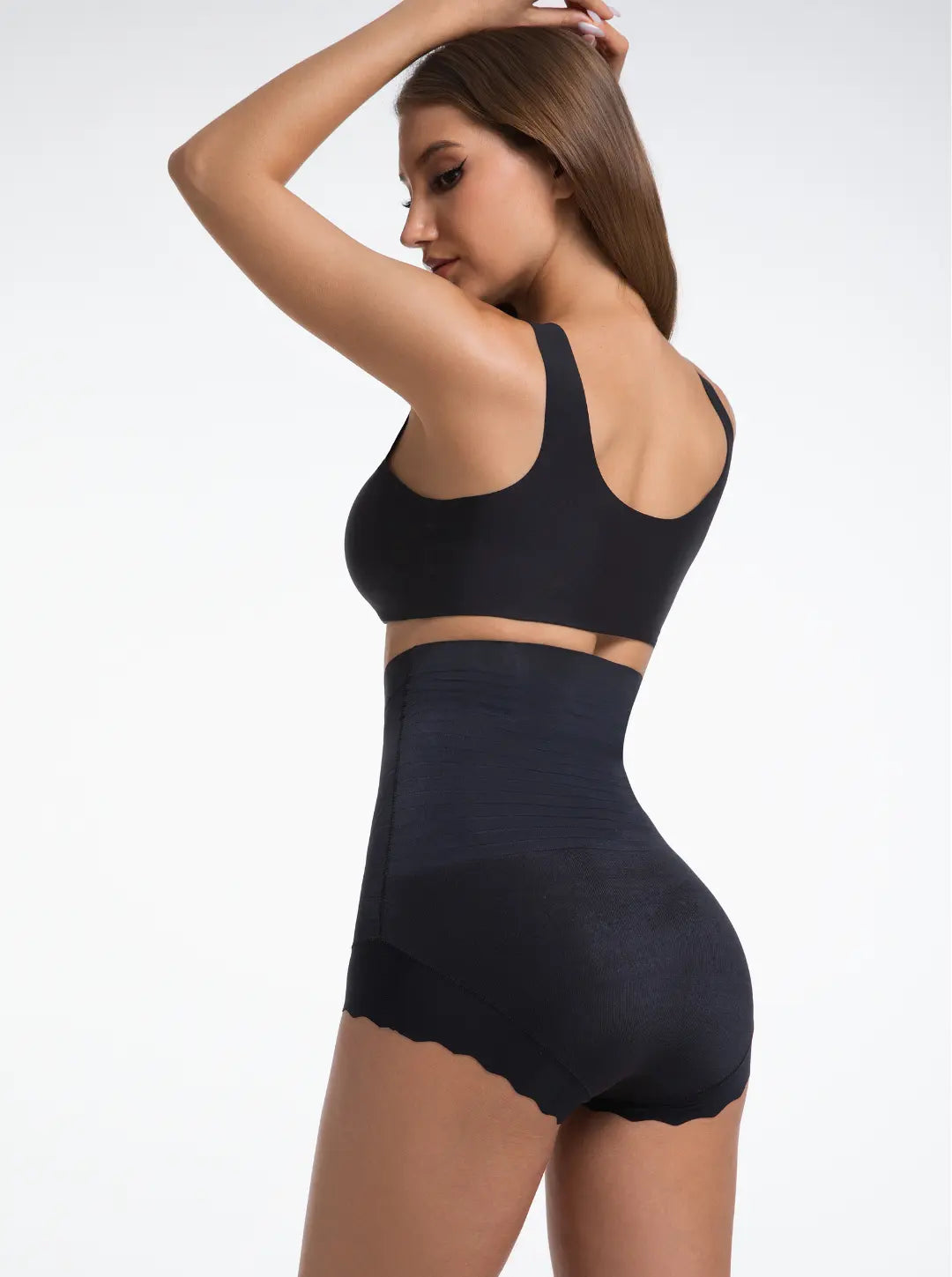
Product Page: NuForme Gentle Shaping Underwear
Step 5: Test movement before committing
A pair can feel perfect when you stand still. The real test is movement, especially if you are a gym and runners customer or you spend long hours sitting.
Do this movement test in your normal outfit (leggings, trousers, or a fitted dress):
- Walk 20 steps, then stop and check if the leg openings shifted.
- Sit for 2 minutes, then stand. The waistband should not fold.
- Do 3 slow squats. If you feel the back riding up, the leg opening may be too loose or the rise may be wrong.
- Climb stairs. If the waistband creeps, you likely need a slightly different rise.
For gym workouts and training, prioritize moisture-wicking fabrics and quick-dry performance. The CDC notes that wearing cotton underwear and keeping the area clean and dry can help reduce the risk of vaginal yeast infections. According to CDC, prevention tips include wearing cotton underwear and keeping the area clean and dry.
Nuage example for sweat-heavy days: NuAir Mesh Raw Brief is built with ultra-light mesh fabric, raw-cut edges, and a quick-dry design. It also includes a 100% cotton gusset, which matters when you move between workouts and errands.

Shop: NuAir Mesh Raw Brief
Adapting your approach in different scenarios
- Gym workouts and training: Choose moisture-wicking fabrics and raw-cut edges to reduce friction under leggings. Bring an extra pair so you can change after a session, especially after running and cardio sessions.
- Travel and long flights: Go for a non-binding waistband and full coverage. A low-pressure edge matters more than “tight hold” when you sit for hours.
- Office commuters: Prioritize everyday invisible layering. Thin, raw-cut edges reduce lines under trousers, and a smooth leg opening prevents bunching when you walk and sit repeatedly.
- Sleepwear comfort nights: Use the softest option with the least edge pressure. If you also shop sleep and loungewear, keep underwear minimal under relaxed sets.
What you will need before you start
Required tools and materials
- Soft measuring tape (for waist and hip sizing)
- A mirror (to check waistband rolling and leg opening pressure)
- Smooth leggings or fitted trousers (to test visible panty lines)
- One “real-life” outfit for all-day commuting wear (the one that usually shows lines)
- Mild detergent, fragrance-free if you have sensitive skin
- A clean, dry underwear rotation plan (so you are not forced to wear damp pairs)
Safety considerations
- Change out of sweaty clothes promptly to reduce irritation risk, especially for gym and runners.
- If you are prone to irritation, prioritize a breathable gusset and avoid overly tight fits.
- Do not size down for “support.” Compression wear should feel secure, not painful.
- Wash new underwear before first wear to reduce residue that can irritate sensitive skin.
In day-to-day comfort discussions, it helps to separate “breathability” from “moisture-wicking.” In a recent consumer health round-up, Glamour highlights that many moisture-wicking underwear options use nylon or modal blends and often keep a cotton gusset for comfort.
Troubleshooting
| Problem | Likely cause | Solution |
|---|---|---|
| Waistband digging or red marks | Size too small, or rise hits a bend point | Size up first. If marks persist, switch rise (low-rise to mid-rise) so the edge sits on a flatter area. |
| Edges rolling down | Rise mismatch or fabric edge curling | Try a slightly higher rise, or choose a style designed to lie flat with raw-cut edges. |
| Wedgies during walking | Leg opening too loose, or back coverage too small | Choose fuller coverage or a contour fit that lays flat and stays anchored. |
| Chafing on thighs | Friction plus sweat, or fabric holds moisture | Use Moisture-Wicking Fabrics or mesh zones for airflow, and change after workouts. |
| Visible panty lines under trousers | Thick seams or raised edges | Look for raw-cut, seam-free edges and test under your most fitted outfit. |
Conclusion
Choosing women’s seamless underwear that will not dig starts with fabric feel and ends with movement testing. When the waistband sits at the right spot, and the edges lie flat, you get everyday invisible layering with less adjusting.
Replace pairs that lose stretch or start to curl at the edges. A worn-out waistband often causes digging even if the size is correct.
Official Site: Nuage
Frequently Asked Questions
Can you recommend breathable and supportive underwear that doesn’t dig into my skin or waistband? Start by choosing a seamless edge at the waistband and leg openings, because seams are a common digging point. Next, make sure the rise sits where your torso is the flattest, not at a bend line. If you see red marks after 30 to 60 minutes, size up and retest. For sweaty days, pick a quick-dry fabric and change into a fresh pair after workouts.
I need help with sizing for seamless underwear, can you give me any tips on choosing the right fit? Measure both your hips and the exact spot where you want the waistband to sit, because low-rise and mid-rise land differently. Choose the size that fits the larger measurement, then do a 2-minute sit test to check for folding or pinching. If you are between sizes, sizing up usually reduces digging and rolling. After you put them on, you should be able to slide one finger under the waistband comfortably.
I need soft, seamless panties for everyday wear that won’t dig into my skin. Any recommendations? Look for ultra-thin, smooth knit fabrics with enough stretch to move without snapping tight at the edges. Raw-cut edges help the underwear disappear under clothing and reduce pressure ridges. A breathable gusset matters for all-day comfort, especially if you commute, travel, or work out. Finally, always test with walking, sitting, and squatting before you buy multiples.
I need underwear that fits comfortably around my waist without digging in, any suggestions? Focus on rise placement first, because the “right size” can still dig if the waistband lands at your narrowest bend point. If the waist rolls when you sit, try a slightly higher rise or a style built to stay flat. Avoid sizing down for a held-in feeling, since extra tension increases marks and irritation. If you want shaping, use a dedicated shapewear underwear style rather than forcing a smaller everyday pair.
Looking for comfortable underwear that doesn’t create visible panty lines, any good options? Seamless construction and raw-cut edges are the biggest wins for reducing lines under leggings and trousers. Thin fabrics help, but the edge finish matters more than thickness alone. When you try them on, wear your most fitted pants and check the side hip and back leg opening area in good light. If you see a ridge, it will usually show more after you start moving.
What’s the most comfortable underwear for all-day wear without rolling or shifting? A stable fit comes from balancing the waistband and leg opening, so neither edge has to “fight” to stay put. Choose a rise that matches your daily outfits, then do a real movement test: stairs, squats, and sitting. If the back rides up, try more back coverage or a contour fit that lays flat. Replace pairs that have lost elasticity, because stretched-out edges roll and shift faster.


