

Introduction
Seamless underwear is designed for active women who need an invisible, distraction-free base layer. By eliminating seams and bulky edges, it reduces chafing and pressure points while staying hidden under clothes. The goal is simple: reliable comfort that keeps up with your movement, from workouts to long days.
Nuage focuses on lightweight, breathable fabrics that dry quickly and move with you. If you’re looking to upgrade your everyday comfort, start with their collection to find the right fit for your lifestyle.
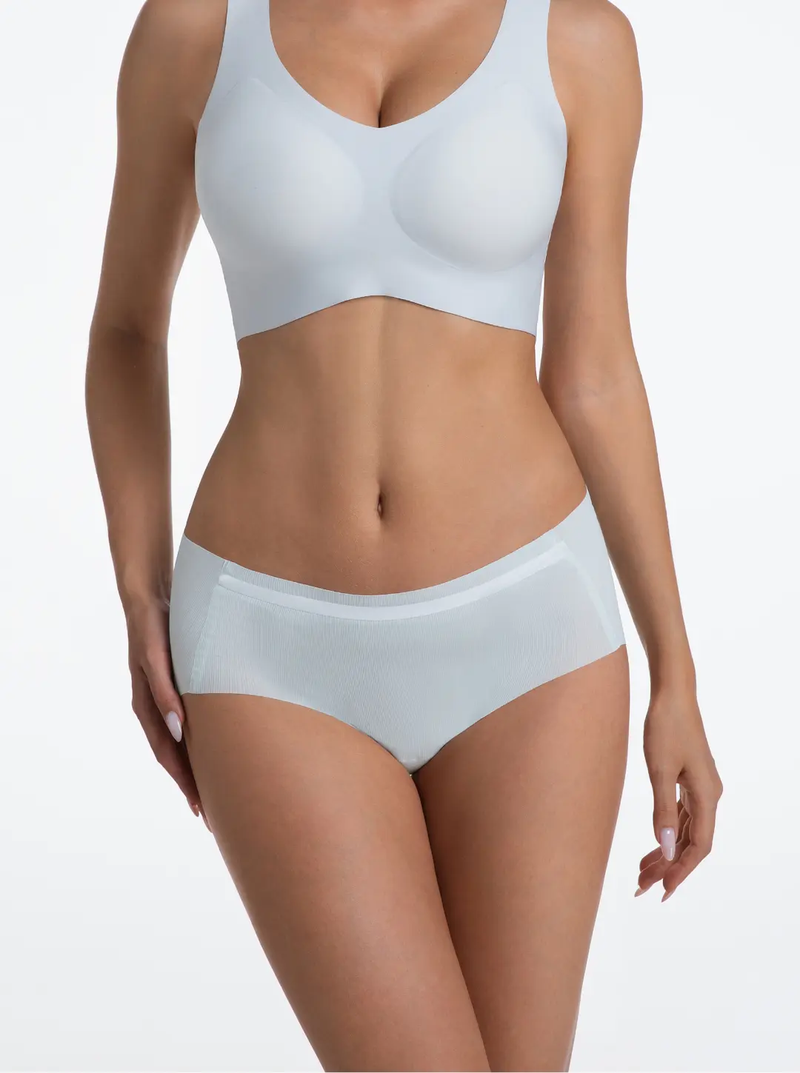
How to Choose Seamless Comfort for Active Women
Step 1: Identify your friction zones
Before you buy anything new, do a quick “friction map” of your day. Stand in front of a mirror in your most-used leggings or jeans, then note where fabric usually rubs or shifts: inner thighs, the crease where leg openings sit, the waistband during bends, and the back where wedgies start. This step matters because the same underwear can feel perfect during a short walk but fail during high-rep squats or a long commute where heat and movement build.
To make it practical, think in categories: chafing zones (inner thighs and groin folds), pressure zones (waistband and hip points), and movement zones (glute area and leg openings). Active women often discover they don’t need “more compression,” they need fewer edges that catch and roll. Once you know your zones, you’ll choose coverage and rise with a clear purpose instead of guessing.
For many seamless underwear buyers, a breathable brief with stable leg openings is a strong baseline because it reduces the ride-up loop that causes repeated adjustments.
Step 2: Match fabric to sweat level
Fabric choice is where seamless comfort becomes performance, not just comfort. If you do running and cardio sessions, high-intensity intervals, or hot yoga, prioritize a knit that feels light and dries quickly so dampness doesn’t linger in friction zones. On lower-output days—like walking meetings, errands, or lounging at home—you can lean into softer, more “cloudlike” fabrics without worrying as much about heat buildup.
A helpful b enchmark is to choose your base layer the same way you choose athletic socks: higher sweat needs more breathability, while everyday wear can prioritize softness. Also consider how your clothing layers on top; tight leggings amplify visible lines and edge marks, so smooth finishes matter more.
Nuage’s NuCloud fabric page describes its Core Modal blend as 95% modal and 5% spandex, highlighting moisture-wicking comfort and a breathable feel—useful when you want everyday comfort that still performs during a busy day.
Step 3: Choose the right rise
Rise is the most overlooked variable in women’s seamless underwear, and it’s often the real cause of rolling waistbands. If you’re constantly folding your waistband down or feeling pressure marks after sitting, your rise likely doesn’t match your torso and hip shape for the activity you’re doing.
Use this simple decision rule:
- Mid-rise: the most versatile for gym and runners because it tends to stay anchored during squats, lunges, and running strides.
- High-rise: helpful if you get waistband roll or want a smoother silhouette for everyday invisible layering under high-waisted bottoms.
- Lower rise: best when your outerwear sits low and you want minimal waistband contact, but it can shift more during high movement.
If you’re an office commuter who sits, stands, and walks all day, mid-rise is usually the “set it and forget it” option. If you’re a frequent traveler, a stable rise also reduces the need to adjust in public spaces like airports.
Step 4: Select coverage for activity
Coverage isn’t about modesty—it’s about stability. The more your day involves repeated movement (stairs, squats, running, long walks), the more you benefit from coverage that resists shifting. Briefs often provide the best “low distraction” fit because they distribute contact over a larger area and can reduce ride-up under leggings.
If you prefer minimal coverage, be honest about when you’re wearing it. A thong can be a good choice under certain outfits, but for gym workouts and training, many people find that minimal coverage increases the chance of a wedgie loop during dynamic movement. For sleepwear comfort nights and lounging at home, you can choose what feels best—movement demands are lower.
A practical rotation for active women is:
- Briefs for training and commuting
- A lighter, minimal option for certain outfits
- A gentler shaping option when you want smoother lines
Step 5: Build an invisible base layer
“Invisible” means two things: no visible panty lines (VPL) and no edge impressions that show through thin fabrics. To build an invisible base layer, you want smooth transitions at leg openings and a finish that lies flat under pressure. (https://en.wikipedia.org/wiki/Panty_line)
Start by testing with your most unforgiving items: light-colored leggings, fitted dresses, and thin work pants. Walk, bend, and sit. If lines appear, it’s usually due to thick edges, a too-tight size, or a cut that hits the widest part of your glute.
A strong option for everyday invisible layering is a seamless brief designed for no-show wear. Nuage’s NuAir Mesh Flex Brief is positioned as lightweight and moisture-wicking, and its product imagery emphasizes a smooth look under clothing. Use it when you want a breathable base that stays low-profile during movement-heavy days.
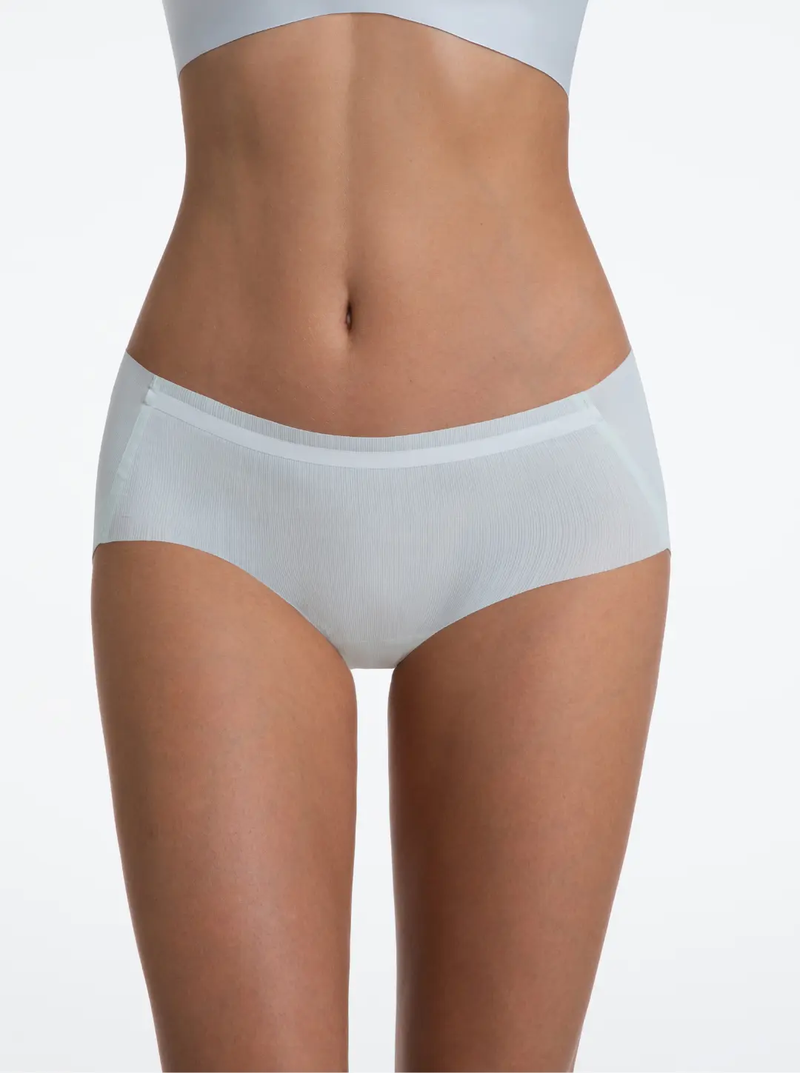
Shop: https://www.nuagewears.com/collections/briefs/products/nuair-mesh-flex?variant=50099733365032
Step 6: Pair with supportive tops
Comfort doesn’t stop at the waistband. If your bra straps dig in, your band shifts, or you feel compressed in the wrong places, you’ll still spend the day adjusting. That’s why pairing women’s seamless underwear with the right bras and bralettes matters—especially for office commuters, frequent travelers, and active women who want stable comfort from morning to night.
When choosing tops, focus on:
- Band stability (a band that stays level and doesn’t creep up)
- Wire preference (wireless can reduce pressure points for long wear)
- Breathability (mesh and lighter materials help during warm commutes and travel)
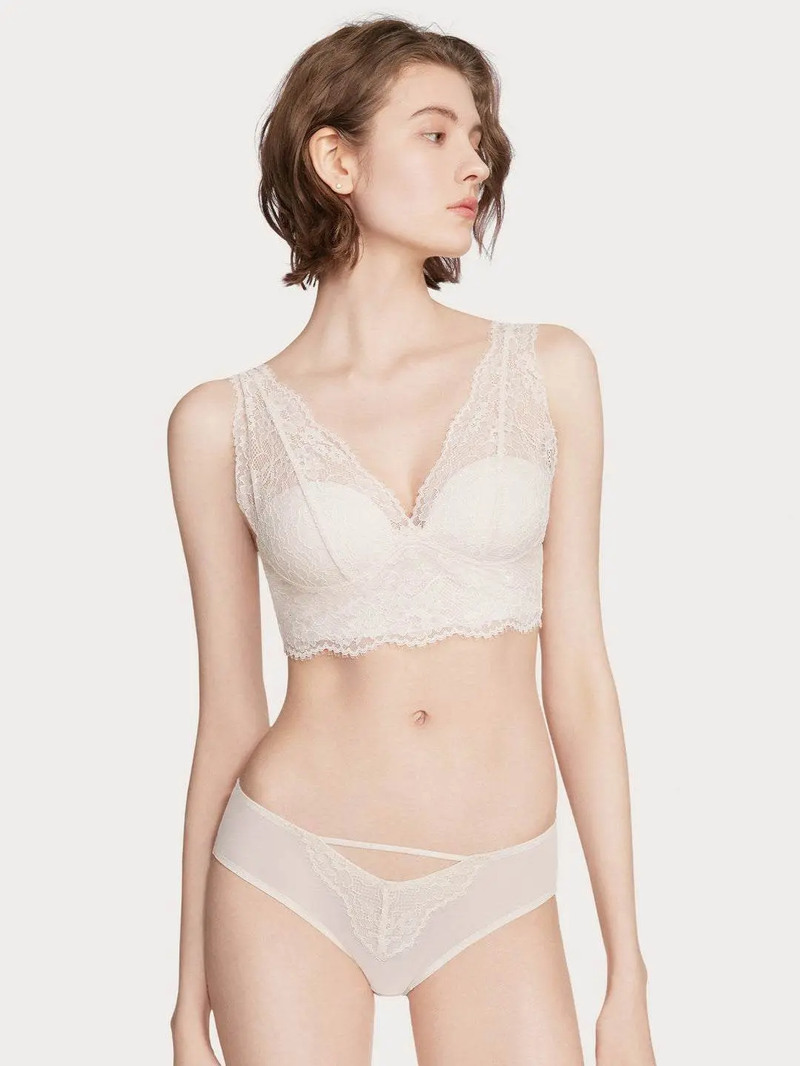
Nuage offers bras and bralettes options like the NuBloom Bra, which is presented with breathable mesh styling and an all-day comfort orientation in its product imagery. Consider it when you want a supportive feel without the constant “fixing” that breaks your focus during workdays or travel.
Step 7: Create a rotation system
Even the best women’s seamless underwear won’t feel great if you wear the same pairs too often without giving them time to recover their shape. A rotation system keeps fit consistent, improves freshness, and helps your seamless pieces last longer—especially if you sweat heavily or travel frequently.
A simple, sustainable plan:
- 5–7 pairs for a typical week, especially if you work out 3–5 days.
- Add 1 spare pair in your gym bag or work tote for a mid-day swap when humidity spikes.
- Rotate by “use case”: training pairs, commuting pairs, and sleep and loungewear pairs.
If you also shop for men’s underwear, you can apply the same rotation logic at home: breathable daily pairs, softer lounge pairs, and travel-ready options. And if you’re shopping for gifts—holiday gifting occasions, birthdays, or “new job” refreshes—gift boxes and bundles can make the rotation easy to build.
Seamless Comfort in Different Scenarios
For gym and runners: Prioritize max breathability and stable coverage so sweat doesn’t turn into friction. Choose women’s seamless underwear that stays anchored during stride repetition and doesn’t create edge marks under leggings.
For office commuters: Focus on no-show edges and all-day stretch. The best setup is one you forget about entirely—no waistband roll when you sit and no shifting when you walk between meetings.
For frequent travelers: Choose quick-dry, packable pieces and consider carrying a spare pair for long flights or multi-leg travel days. A lightweight base layer helps you stay comfortable through temperature swings from airport to plane to destination.
For sleepwear comfort nights: Shift your priority to softness and relaxed fit. Sleep and loungewear that feels gentle against skin supports better rest because you’re not waking up to adjust pressure points.
What You’ll Need Before You Start
Required Tools & Materials
- Soft measuring tape: Use it for waist and hip measurements so you can pick sizes consistently across women’s seamless underwear, shapewear underwear, and bras and bralettes.
- A mirror (or phone camera): Helps you check fit from the side and back, where rolling and VPL usually show.
- Two test outfits: One “tight and thin” (leggings or fitted pants) and one “long wear” outfit for commuting or travel.
- Breathable detergent: Choose a gentle formula that cleans without leaving heavy residue.
- Mesh wash bag for delicates: Reduces snagging and helps maintain smooth finishes.
- Clean towel + air-dry space: Lets you reshape items and avoid heat that can degrade elasticity.
- A spare pair: Keep one in your bag for sweaty commutes or post-workout changes.
Safety Considerations
Underwear isn’t a power tool, but skin health is still “safety.” If you regularly get chafing, irritation, or recurring discomfort, treat it like feedback and change the variable causing it. Start by avoiding harsh fabric softeners or high heat drying, since those can reduce stretch recovery and make edges less stable over time. Also pay attention to fit; too-tight underwear increases pressure and can trap moisture, while too-loose underwear can bunch and rub.
Finally, stop wearing a pair if irritation persists even after washing and resizing. If symptoms continue, consider seeking medical advice—especially if you see broken skin, persistent redness, or signs of infection.
For general guidance on protective practices and proper fit in personal protective equipment (a useful reminder that “fit” is foundational to comfort and safety), see OSHA’s rule emphasizing properly fitting PPE. (osha.gov)
Troubleshooting Guide
When seamless underwear buyers feel “this should work but it doesn’t,” it’s usually one of a few fixable issues: rise mismatch, edge thickness, or the wrong coverage for the movement.
| Problem | Cause | Solution |
|---|---|---|
| Rolling waistband | Rise too low for your movement pattern, or size mismatch | Try a higher rise or adjust size; test with 10 squats and a 5-minute walk before committing |
| Visible lines under leggings | Thick edges, tight size, or cut hitting the widest glute point | Switch to a smoother no-show cut; confirm the fabric lays flat when you bend |
| Ride-up wedgie | Low coverage for high movement, or leg opening placement | Choose a brief or boyshort for training; ensure leg openings aren’t overly tight |
| Damp feel during workouts | Fabric not breathable enough for sweat level | Use a lighter, more breathable knit for running and cardio sessions; rotate pairs more often |
| Pressure marks at the waist | Waistband too tight or sits on a sensitive spot | Choose mid-rise or a smoother high-rise; verify waist measurement and avoid sizing down aggressively |
Frequently Asked Questions
How do I stop chafing during gym workouts and training? Chafing usually comes from a combination of moisture and friction, so start by matching your underwear fabric to your sweat level and choosing stable coverage. For most active women, briefs reduce shifting better than minimal cuts, especially during squats, lunges, and treadmill work. Make sure your underwear lies flat in your friction zones—if it bunches at the leg opening, it will rub. If chafing persists, rotate into a drier pair mid-day and avoid harsh softeners that can trap residue against skin.
Can I wear shapewear underwear for workouts? Shapewear underwear can work for low-to-moderate movement days, but it depends on breathability and how it handles sweat. If compression traps moisture, it can increase friction in high-output sessions like running and cardio. A safer approach is to use shapewear for smoother silhouettes on office or event days and switch to more breathable women’s seamless underwear for training. Always do a movement test—10 squats, a short walk, and a seated check—to confirm it stays comfortable.
How do I choose between briefs and thongs for everyday invisible layering? Briefs generally offer better stability and less ride-up, which is why many seamless underwear buyers prefer them for movement-heavy days. Thongs can reduce visible panty lines in some outfits, but they can also shift more during high activity if the fit isn’t perfect. If your main goal is “no distractions,” start with briefs for gym and runners and keep thongs for specific outfits. Whichever you choose, the key is that the edges lie flat and don’t create pressure points.
What should I pack for travel and long flights if I want to stay comfortable? Pack at least one extra pair of women’s seamless underwear in your carry-on so you can swap if you get warm or after a long connection. Choose quick-dry, lightweight pieces that don’t take up space and feel comfortable during hours of sitting. If you’re also bringing apparel tops and bottoms for layering, test your underwear under those outfits at home to confirm there’s no rolling or visible lines. A small mesh bag helps keep worn items separate and makes hotel laundry easier.
Conclusion
Seamless underwear removes everyday distractions like chafing and visible lines, letting you move with comfort and confidence. For the best fit, focus on your friction zones, choose breathable fabric, and select the right rise and coverage for your activity.
Build a complete comfort system by pairing it with supportive seamless bras and maintaining a fresh rotation. The result is an invisible, reliable base layer for training, travel, or rest—so you can focus on your day, not your outfit.


