

How to Pick the Best Underwear for Fitness and Comfort
Introduction
Women’s seamless underwear can make or break your day—especially if you’re an active woman juggling gym workouts and training, office commutes, and everything in between. The wrong pair shows lines under leggings, shifts mid-squat, traps sweat during running and cardio sessions, or digs in during all-day commuting wear. Then there’s the classic frustration: you start the morning feeling fine, and by lunchtime you’re dealing with ride-up, pinching elastics, and constant adjusting.
The fix isn’t “one perfect style for everyone.” It’s learning how to match underwear design to movement, fabric needs, and outfit demands—so you get everyday invisible layering when you want it, and performance support when you need it. In this guide, you’ll follow a step-by-step system to choose underwear for workouts, travel and long flights, and everyday comfort seekers who simply want a barely-there feel.
Nuage was built around that exact goal: comfort that disappears. With seamless knitting, raw-cut edges, and breathable performance fabrics, Nuage helps seamless underwear buyers find pairs that stay put, feel light, and remain smooth under fitted clothes.
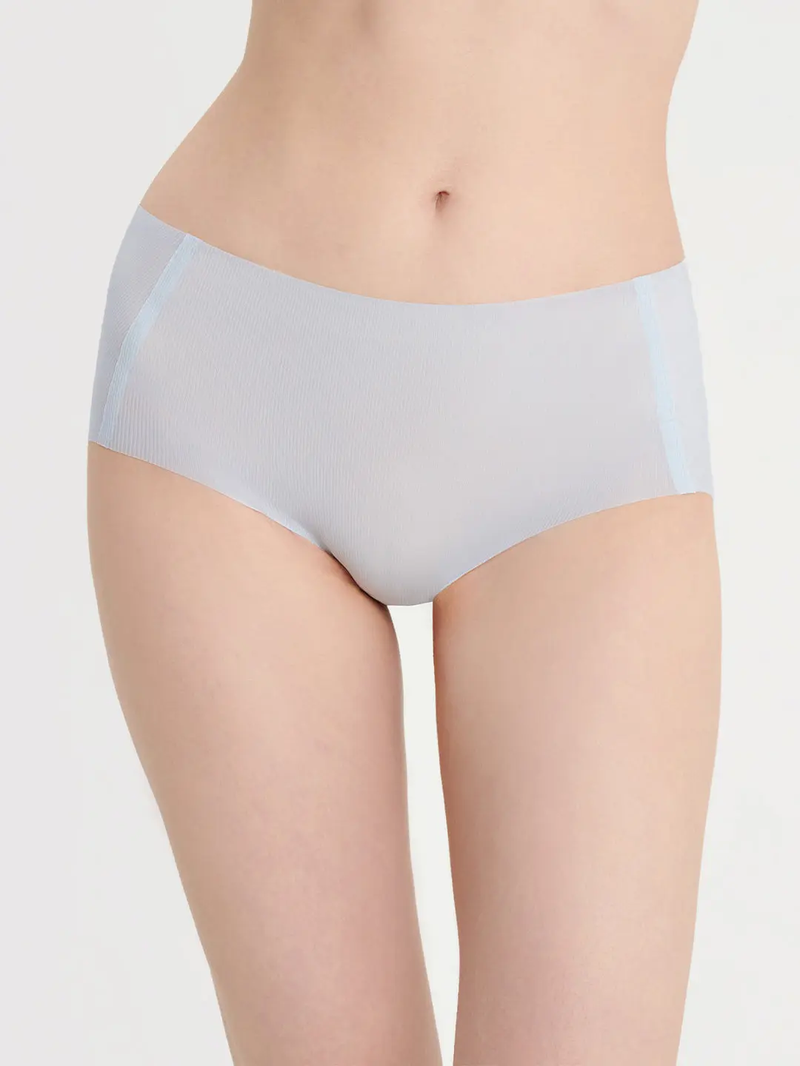
How to Choose Women’s Seamless Underwear Step by Step
Step 1: Define your primary activity and outfit
Start by naming the “most demanding” situation you’ll wear them for, because that’s where underwear fails first. For gym and runners, the main stressors are friction, sweat, and rapid changes in movement—think lunges, sprints, and stair climbers. For office commuters, it’s long sitting hours, waistband pressure, and fabric heat buildup under workwear. For frequent travelers, it’s dryness, breathability, and a fit that stays stable through walking, sitting, and sleeping.
Next, identify your most common outfit: compressive leggings, loose joggers, fitted trousers, or dresses. Leggings and slim pants punish seams and thick edges, so they usually demand women’s seamless underwear with raw-cut lines. If your day mixes workouts and errands, choose pairs that can transition: smooth under clothes but breathable enough for movement. This single step prevents most “bough t the wrong style” regret.
Step 2: Prioritize seamless construction and raw-cut edges
If you want everyday invisible layering, raw-cut edges and seamless knitting are the non-negotiables. Seams create ridges that show through leggings and can rub when you sweat. Raw-cut edges reduce that ridge effect and help your underwear “melt” into your body instead of creating pressure points. For everyday comfort seekers, this also means less digging at the waist and leg openings during long days.
A strong example inside Nuage’s lineup is the NuCloud Original Bikini. It’s described as having a “second-skin feel,” raw-cut edges along the waistband and leg openings, and a breathable cotton gusset—details that matter when you’re trying to eliminate visible panty lines and reduce irritation during movement. The fit is designed to lay flat, which is exactly what seamless underwear buyers should look for when leggings are part of the plan.
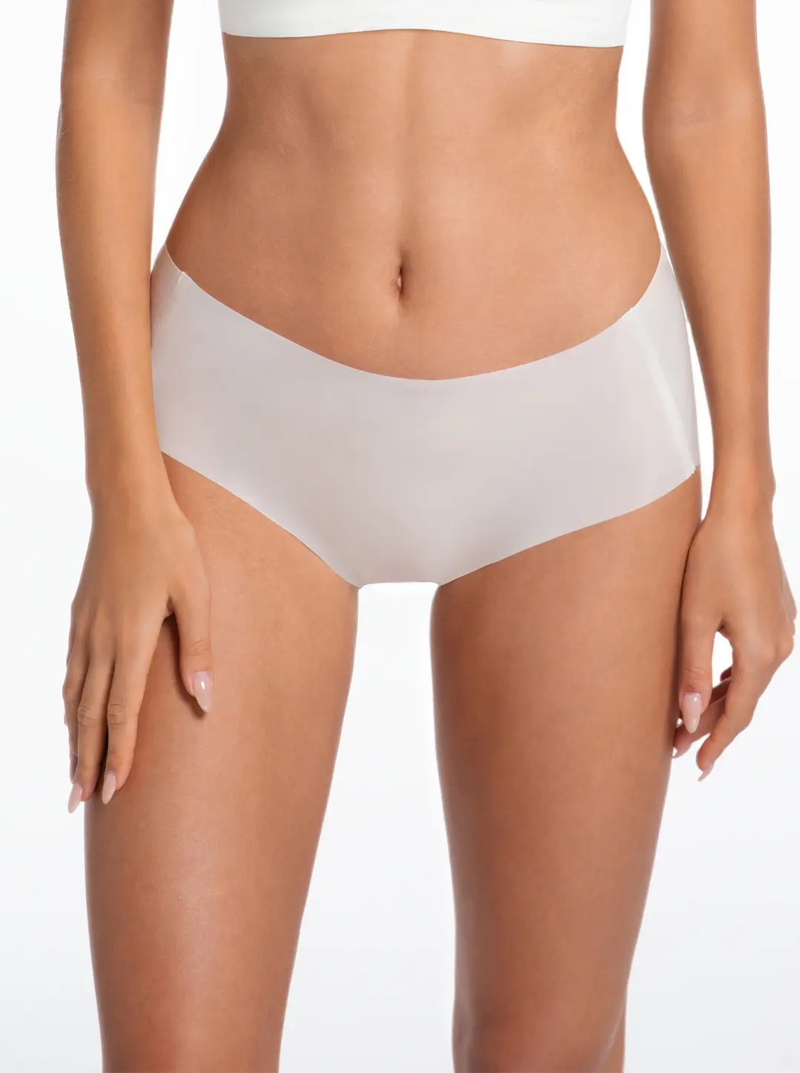
Shop: https://www.nuagewears.com/products/nucloud-original-low-rise
Step 3: Choose breathable, quick-dry fabrics for sweat management
For active women, fabric is performance. If you regularly do gym workouts and training or running and cardio sessions, prioritize underwear that releases heat, dries quickly, and doesn’t feel heavy after warm-up. Practically, that means looking for lightweight mesh zoning, moisture management, and enough stretch that fabric doesn’t “hang on” when damp.
Nuage’s NuAir Mesh Raw Brief is built around that idea: raw-cut edges for a smooth, no-line finish plus an ultra-light mesh fabric designed to stay cool. It also uses Nuage’s O₂ Fabric™ (polyamide + elastane blend) with breathable mesh zones and a jacquard weave intended to enhance airflow. That matters most during higher-sweat sessions when cotton-heavy bodies can stay damp longer and increase discomfort.
One health-forward note: keeping the area clean and dry and choosing breathable underwear can reduce the risk of vaginal yeast infections; the CDC also notes that wearing cotton underwear can help. (https://www.cdc.gov/candidiasis/prevention/index.html)
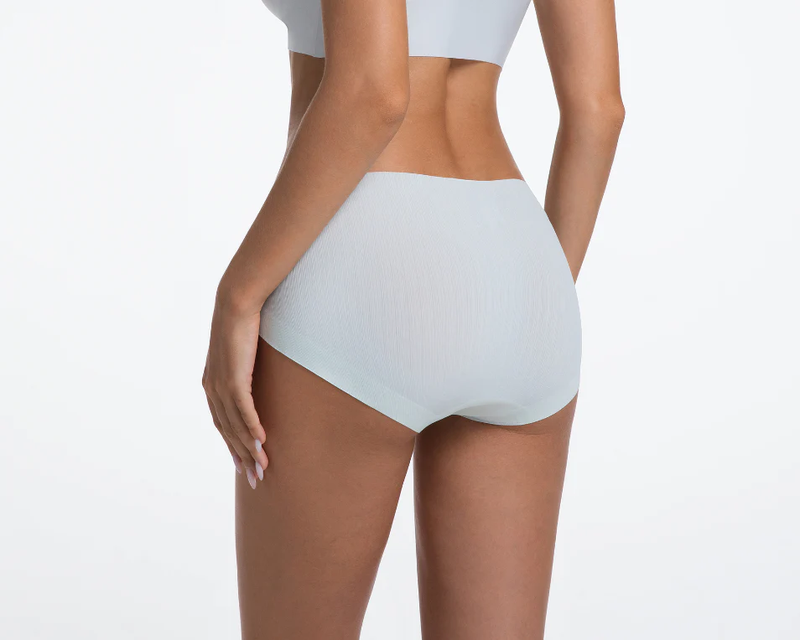
Shop: https://www.nuagewears.com/products/nuair-mesh-raw
Step 4: Pick a stay-put cut that matches movement
A “stay-put” cut is the one that doesn’t migrate when you move—no wedgies, no rolling, no waistband sliding. This is where many people blame fabric when the real issue is cut and rise. Bikinis and low-rise briefs can be perfect for everyday wear, but high movement may benefit from a bit more coverage or a higher rise so the waistband anchors.
Use your movement pattern as the test. If you do deep squats, hip thrusts, or sprint intervals, you need leg openings that don’t pinch and a back that doesn’t creep upward. For some bodies, that means a mid-rise brief; for others, a higher rise. Nuage explicitly organizes styles around “no wedgies,” which is helpful when you’re trying to match cut to activity rather than guessing.
Practical check: do a “warm-up trial” at home—10 bodyweight squats, 10 lunges per side, and a 30-second jog in place. If you feel shifting in the first two minutes, it won’t improve in a 45-minute workout.
Shop: https://www.nuagewears.com/collections/no-wedgies
Step 5: Select the right coverage level for confidence and layering
Coverage is about function, not rules. Full coverage can feel more secure for gym and runners, especially if you’re wearing thin leggings or doing high-impact training. Less coverage can feel cooler and lighter, and may work better under certain silhouettes—especially if your main goal is everyday invisible layering.
Here’s the practical way to decide: pick coverage based on what you hate fixing mid-day. If you hate ride-up, choose more back coverage and a cut designed to lay flat. If you hate heat buildup, consider a lighter, more minimal design and lean harder into breathable materials. If your outfits are mostly fitted, prioritize edges that vanish under fabric.
This is also where shapewear underwear belongs in the decision tree: only choose it when you truly want shaping or smoothing, not as an everyday default. For many everyday comfort seekers, seamless underwear with a stable waistband gives enough smoothing without feeling restrictive.
Step 6: Confirm gusset comfort and hygiene details
The gusset is the most overlooked performance feature, yet it impacts comfort more than many people realize. A gusset that feels rough, holds moisture, or bunches can cause irritation fast—especially during gym workouts and training. Aim for a gusset that stays flat, feels soft, and supports freshness.
Nuage highlights gusset details on key products. For example, the NuAir Mesh Raw Brief lists a 100% cotton gusset, which can be a plus if you prefer a familiar, breathable feel against the skin while still getting performance mesh around it. Meanwhile, Nuage’s NuShield Thong Light is built around a different need: anti-camel toe support, using a structured gusset concept intended to add confidence under tight silhouettes.
If you’re sensitive or prone to irritation, make this your rule: if the gusset feels “noticeable” when you put it on, it’s unlikely to disappear during a long day. Comfort should feel neutral—supportive, not present.
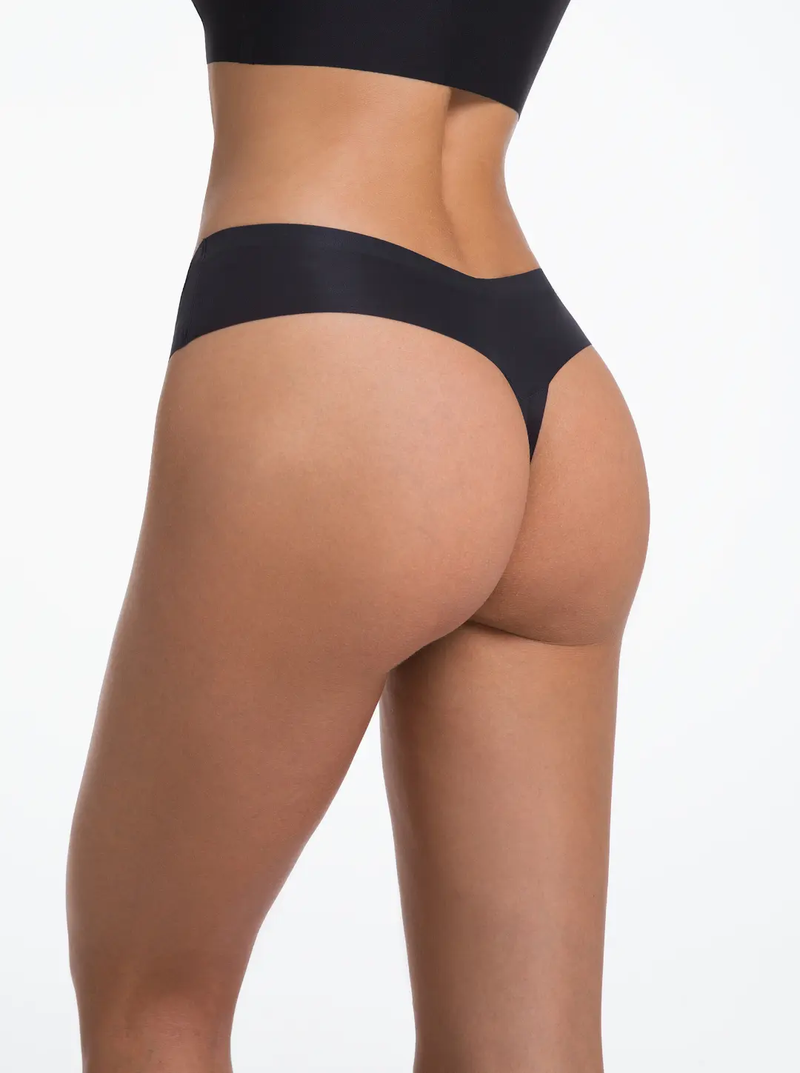
Shop: https://www.nuagewears.com/products/nushield-thong-light
Step 7: Nail sizing for movement and long wear
Sizing is where performance underwear is won or lost. Too small causes rolling, digging, and compressed edges that show through clothes. Too large can shift, bunch, and increase friction—especially in running and cardio sessions. The best approach is to size for the “hardest moment” in your day: deep breathing, bending, and sitting.
Nuage provides a direct, practical guideline on the NuCloud Original Bikini page: if you’re between sizes, size up. That’s often the right call for active women who move a lot, because a slightly less-compressive edge is less likely to roll or dig. After you choose a size, do a 2-minute movement test (squats + lunges + brisk walk). If the waistband leaves a deep mark quickly or you feel numbness/pressure, change sizing or rise.
A final tip for frequent travelers: if you swell slightly on travel and long flights, prioritize comfort over “snug.” Your best travel pair is the one that still feels good at hour six, not just in the airport mirror.
Shop: https://www.nuagewears.com/products/nucloud-original-low-rise
Adapting Your Underwear Choice for Different Scenarios
- Running and cardio sessions: Prioritize breathable, quick-dry fabrics and a cut that doesn’t migrate. If you sweat heavily, look for mesh zoning and a smooth edge that won’t rub once damp. Keep a spare pair in your gym bag so you can change right after training.
- Gym workouts and training: Choose women’s seamless underwear that stays invisible under leggings and remains stable in deep hip flexion. More coverage or a slightly higher rise often helps if you do squats, deadlifts, or machines that involve a seated position.
- Travel and long flights: Choose softness and breathability first. A smooth, raw-cut edge helps prevent pressure points during hours of sitting, and lightweight fabrics can feel less “stuffy” when cabin air is dry.
- All-day commuting wear: Focus on no-dig edges, smooth seams, and a fit that stays flat while sitting. If you’re walking and sitting repeatedly, stability matters more than maximum compression.
What You’ll Need Before You Start
Required Tools and Materials
- A few underwear styles to test: Include at least one breathable mesh option and one second-skin everyday pair so you can compare feel across activities.
- Your most-worn leggings or trousers: Test underwear under the outfits you actually wear, not just lounge pants.
- A full-length mirror plus bright lighting: Visible lines and edge roll show up faster in strong light.
- A gentle detergent and a cool wash routine: Keeps stretch fabrics performing and helps raw-cut edges last longer.
- A breathable gym bag and a spare pair: Helpful for gym and runners who want to change after training.
- A small laundry bag (optional): Reduces snagging if you wash lingerie with other clothes.
Safety Considerations
Underwear isn’t “dangerous,” but discomfort can become a real skin issue when friction and sweat combine. Avoid overly tight elastics that cause numbness, deep marks, or tingling—those are signals the fit is too restrictive for all-day commuting wear or workouts. If you notice persistent chafing, switch cuts or sizes immediately rather than “breaking them in,” because repeated rubbing can worsen irritation.
Also, treat prolonged dampness as a warning sign: change out of sweaty underwear soon after gym workouts and training, and prioritize breathable materials for running and cardio sessions. If irritation persists, consider speaking with a clinician, especially if you’re dealing with recurrent infections or ongoing discomfort.
Troubleshooting Guide
| Problem | Likely cause | Solution |
|---|---|---|
| Visible lines under leggings | Thick seams or tight edges | Switch to women’s seamless underwear with raw-cut edges and test under your thinnest leggings in bright light. |
| Ride-up or wedgies during movement | Cut doesn’t match your activity, or size is off | Try a more stable rise/coverage and repeat a squat-lunge test; if you’re between sizes, size up. |
| Sweat cling or “sticky” feel | Low breathability fabric, slow drying | Choose quick-dry, breathable fabrics (mesh zones help) and change soon after workouts. |
| Waistband rolling when sitting | Too small or too low-rise for your torso | Move up a size or choose a higher rise so the waistband has more surface area to anchor. |
| Gusset feels irritating | Gusset bunching, rough feel, or stays damp | Pick a flatter, softer gusset and prioritize clean/dry routines; replace pairs that never feel comfortable. |
Frequently Asked Questions
How many pairs should I own for weekly training?
If you train most days, rotating 5–7 pairs is a practical baseline so you’re not forced to re-wear pairs that haven’t fully dried. For gym and runners, the bigger issue isn’t “odor” as much as prolonged dampness and friction. Try to change as soon as you finish your session, and wash promptly on a gentle cycle to preserve stretch. Keeping one spare pair in your gym bag prevents the common mistake of staying in sweaty underwear for hours after training. (https://en.wikipedia.org/wiki/Chafing_(skin)
Are thongs actually good for workouts?
They can be, as long as they’re designed to stay put and avoid harsh seams. The key is choosing a seamless, raw-cut edge so you’re not dealing with rubbing during running and cardio sessions. If you feel shifting in warm-up, it’s not the right cut for high-movement days. For strength training, many people find thongs fine under leggings, while others prefer more coverage for confidence.(https://en.wikipedia.org/wiki/Underwear
What’s the best choice under leggings for everyday invisible layering?
Look for women’s seamless underwear with raw-cut edges and a fit that lays flat at the leg openings and waistband. Before committing, test under your lightest-colored leggings and move through squats and lunges to see if edges show or roll. Breathable fabrics are a bonus if you wear leggings for commuting or extended sitting. If you still see lines, the issue is usually edge thickness or sizing, not the leggings.
What should I do if my underwear shifts during squats?
First, stop and identify where it shifts: waistband sliding down usually means you need a higher rise or a size adjustment, while back ride-up often points to a cut mismatch. Next, repeat a quick home test—10 squats and 10 lunges—and note when the shift starts. If it shifts immediately, change cut or size rather than hoping it improves. For active women, a stable rise and smooth leg openings typically solve the issue faster than trying tighter compression.
What are the best gifts for someone who loves comfort basics?
For gift shoppers, the easiest win is choosing gift boxes and bundles so the recipient can try multiple colors or styles without overthinking. Bundles also work well for everyday comfort seekers who prefer rotating a “favorite” pair daily. If you know the person travels a lot, pick breathable, smooth styles that work for travel and long flights and everyday wear. If you’re unsure on sizing, choose a bundle that includes flexible, second-skin styles rather than ultra-compressive shapewear underwear.
Conclusion
Women’s seamless underwear is the foundation that keeps workouts comfortable, commutes distraction-free, and outfits smooth. When you choose based on activity, prioritize raw-cut edges, and match fabric breathability to sweat level, you eliminate the most common issues: lines, ride-up, and irritation. Then, fine-tuning cut, gusset comfort, and sizing gives you a rotation that works for gym and runners, office commuters, and frequent travelers alike.
If you want a simple next step, start by testing one breathable performance pair and one everyday second-skin pair, then build a small rotation once you know what stays put on your body. That’s how you get comfort that feels like wearing nothing at all—no constant adjusting required.
Table of Contents
- Introduction
-
How to Choose Women’s Seamless Underwear Step by Step
- Step 1: Define your primary activity and outfit
- Step 2: Prioritize seamless construction and raw-cut edges
- Step 3: Choose breathable, quick-dry fabrics for sweat management
- Step 4: Pick a stay-put cut that matches movement
- Step 5: Select the right coverage level for confidence and layering
- Step 6: Confirm gusset comfort and hygiene details
- Step 7: Nail sizing for movement and long wear
- Adapting Your Underwear Choice for Different Scenarios
- What You’ll Need Before You Start
- Troubleshooting Guide
- Frequently Asked Questions
- Conclusion


